For most of us in the Philippines, sago is a comforting, familiar presence. It is the chewy treat at the bottom of a sweet cup of warm taho on a breezy morning, or the colorful pearls swimming in a tall glass of icy halo-halo during the hot summer months. We know it as a simple comfort food. But far beyond our local street corners and dessert bowls, a beautiful movement is happening. Indigenous communities in Mindanao and neighboring Indonesia are showing us that sago is actually a powerful key to saving our forests, building stronger communities, and securing our food future.
The global demand for healthy, plant-based, and sustainably sourced food is rising. In the middle of this shift, sago is stepping into the spotlight. It is a highly resilient crop that thrives where other plants struggle. The Asia-Pacific region has always been a natural home for this sturdy palm, driving over half of the world’s sago market. At the heart of this thriving green economy are traditional farmers who are using ancestral wisdom to protect their land and build clean livelihoods.
Right here in the Philippines, the Manobo community in the Caraga region of Mindanao is leading the way. They made history by establishing the country’s very first sago palm flour enterprise. Instead of letting corporate developers dictate how their land should be used, the Manobo people chose to look backward to move forward. They took their traditional knowledge of the sago palm and turned it into a sustainable business that provides local jobs, respects the environment, and inspires the next generation of youth to take pride in their heritage.
This deep connection to the earth is echoed across the sea in South Sorong, West Papua, Indonesia. Here, the Knasaimos indigenous community lives by a beautiful, simple truth: “Tabraw’o mamfe teme,” which translates to, the forest is our Mother. For decades, these communities have protected their ancestral forests from illegal logging and massive palm oil plantations. After years of fighting to keep their lands green, they turned to sago reforestation as a way to heal the soil and secure their future.
A young local leader named Ewil M. Woloil, who is only twenty-three years old, is helping spearhead this change through the Merdesa Village School. Ewil and other young people are working together to manage their natural resources sustainably. Ewil explains that their long struggle to reject palm oil was all about keeping the forest alive. Now, they are teaching community members to replant sago palms after they are harvested, transforming barren areas into lush, water-rich forests.
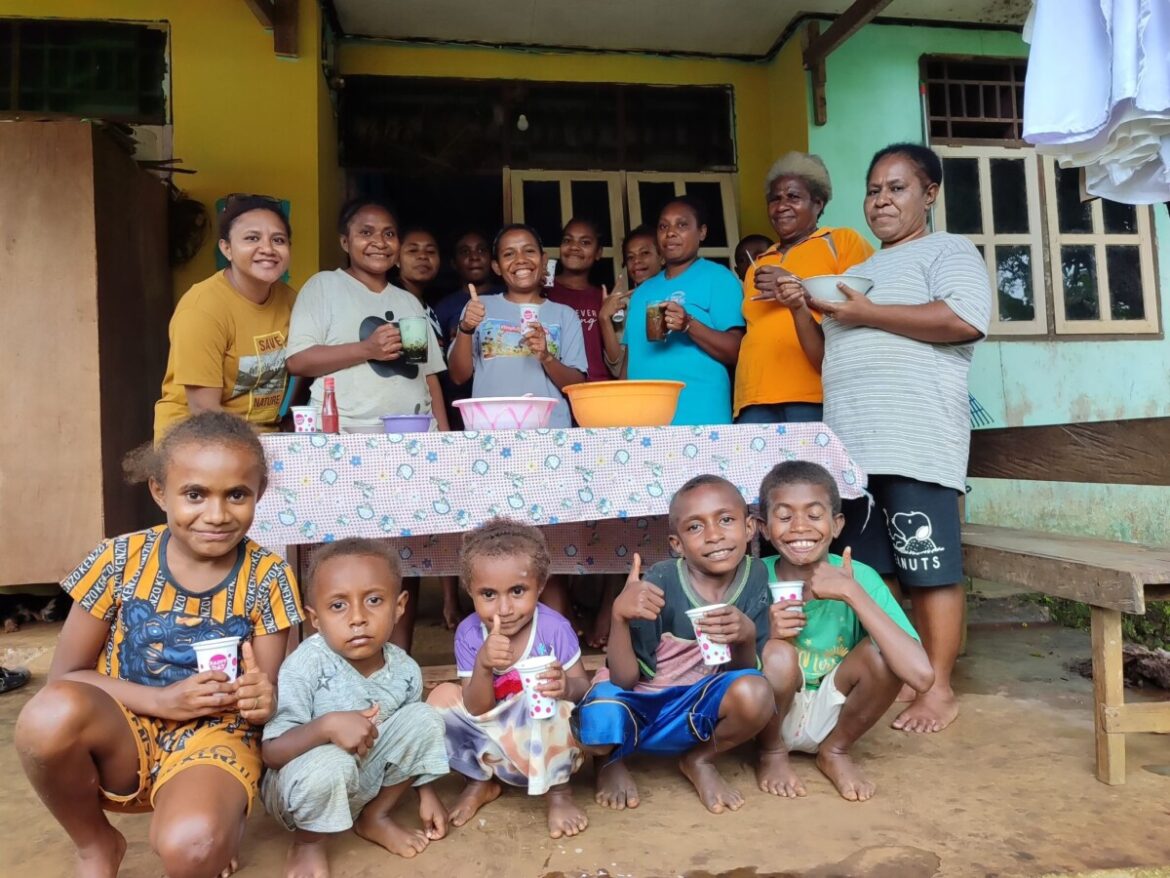
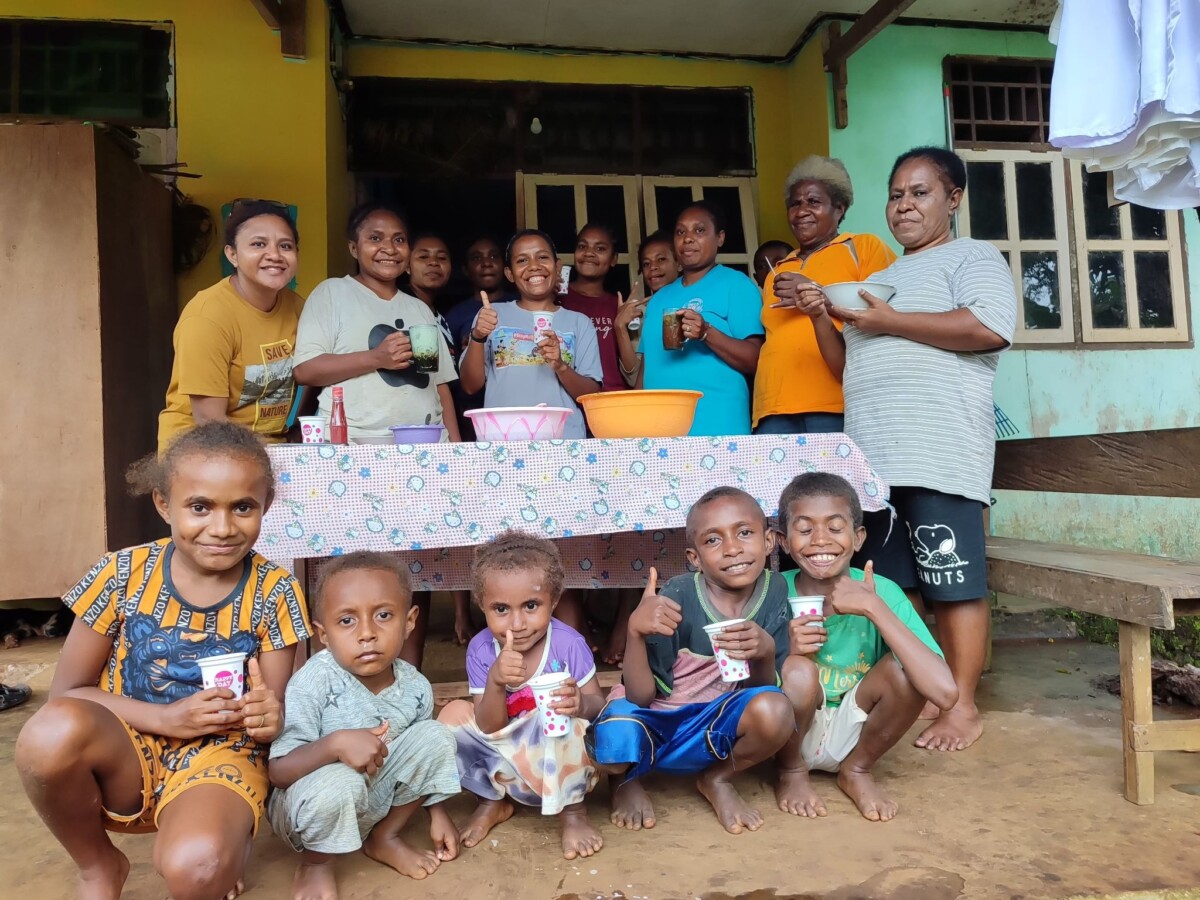
But the work does not stop at planting. To make sure the community can thrive without relying on destructive industries, they needed to turn sago into a reliable source of income. This is where the Sira Bentara Papua Station comes in. It serves as a bustling hub where youth and women gather to learn the art of food processing and running a business. Under the brand Tepung Sagu Mangsir, they are creating high-quality sago products that go far beyond basic flour.
Alink Syafril, the coordinator of the station, believes that people should not have to leave their hometowns to build a good life. By processing the abundance of their ancestral land, they can create lasting prosperity. Today, local families are making sago noodles, cookies, cakes, and even meatballs. This food revolution is helping women and youth gain financial independence, with many families earning significantly more than they did in past years. This extra income helps cover daily expenses and ensures that local children can go to school and even attend university.
The beauty of this model lies in what they call a restorative economy. The money earned from these sago products is cycled back to plant more trees and strengthen the community. Since the program began, they have replanted several hectares of forest, reviving companion tree species and protecting four unique local sago varieties with beautiful names like Falya dla and Fa Sampe.
It is a powerful reminder for all of us. True wealth and progress do not have to come at the cost of destroying nature. By listening to the wisdom of our indigenous brothers and sisters, we can find modern, sustainable solutions to our global food challenges. The next time you enjoy a spoon of sago, remember that it is more than just a sweet treat. It is a symbol of resilience, a bridge to our past, and a hope for a greener, more sustainable tomorrow.