

We have all been there. You are standing at a counter, phone in hand, waiting for the familiar chime of a QR Ph transaction. Digital payments in the Philippines have exploded, with billions of transactions moving through our systems every single year. It has become our new normal. But as we get comfortable with tapping and scanning, the horizon of commerce is shifting toward something far more autonomous: agentic commerce.
Imagine an AI assistant that doesn’t just help you compare prices or find the best travel deals, but actually completes the purchase for you. It knows your preferences, your budget, and your go-to payment methods. While this sounds like the ultimate level of convenience, it raises a significant question for every Filipino consumer: if the AI is doing the clicking, how can we be absolutely sure our money is moving exactly where we intended?
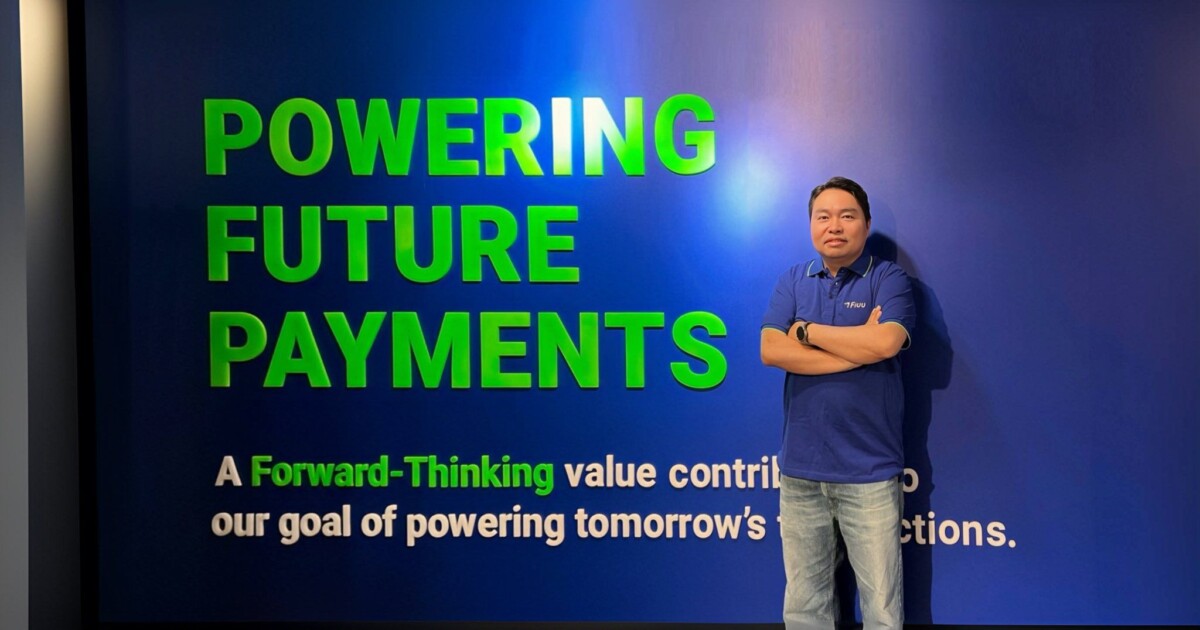
Eng Sheng Guan, CEO of the regional payment powerhouse Fiuu, believes this is the next great test for our digital ecosystem. Trust is already a fragile commodity. Recent data from the Bangko Sentral ng Pilipinas shows that over half of those avoiding digital payments do so because of lingering security concerns. When we hand the keys to an AI, the stakes for that trust become even higher.
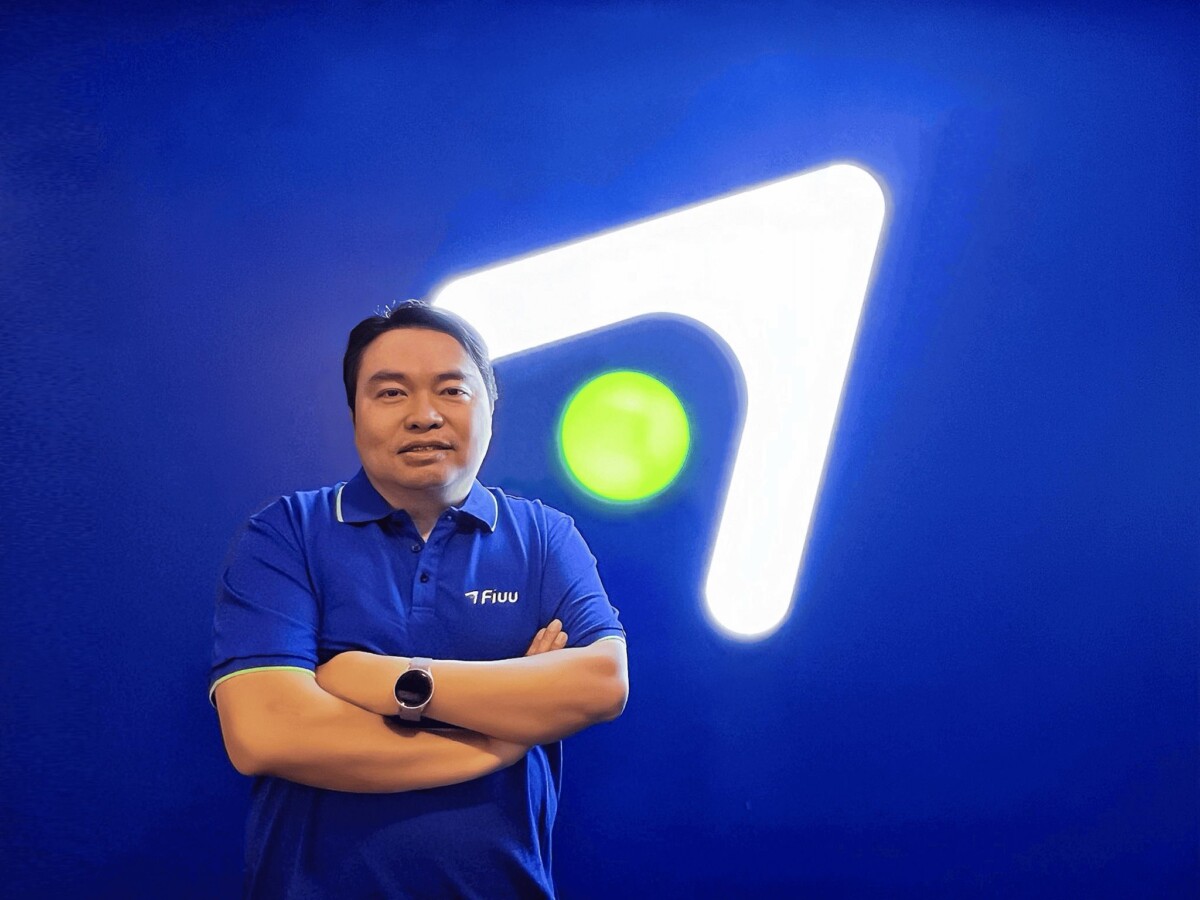

The secret, according to Eng, isn’t to stop the march of technology, but to redefine consent. In this new era, true security means building systems where the AI operates within clearly defined fences set by the user. You should decide the price limits, the frequency of purchases, and the conditions under which an agent is allowed to act. It is about moving from a system that simply executes a command to one that understands the boundaries of your permission.
For merchants and providers, the challenge is keeping the user experience seamless while maintaining a transparent paper trail. If an automated purchase goes sideways—or if a price changes mid-transaction—the system must be smart enough to pause and bring the human back into the loop. It is about creating a safety net that works in the background so the user can enjoy the convenience without the anxiety.
As we look toward a future where our transactions happen across borders and between complex digital platforms, the ability to keep these processes secure and consistent across Southeast Asia will be the real milestone. For now, the goal is clear: whether you are buying groceries or booking a dream vacation, the tech should adapt to your trust, not the other way around. After all, the best innovation is the kind that gives you back your time without ever taking away your control.