
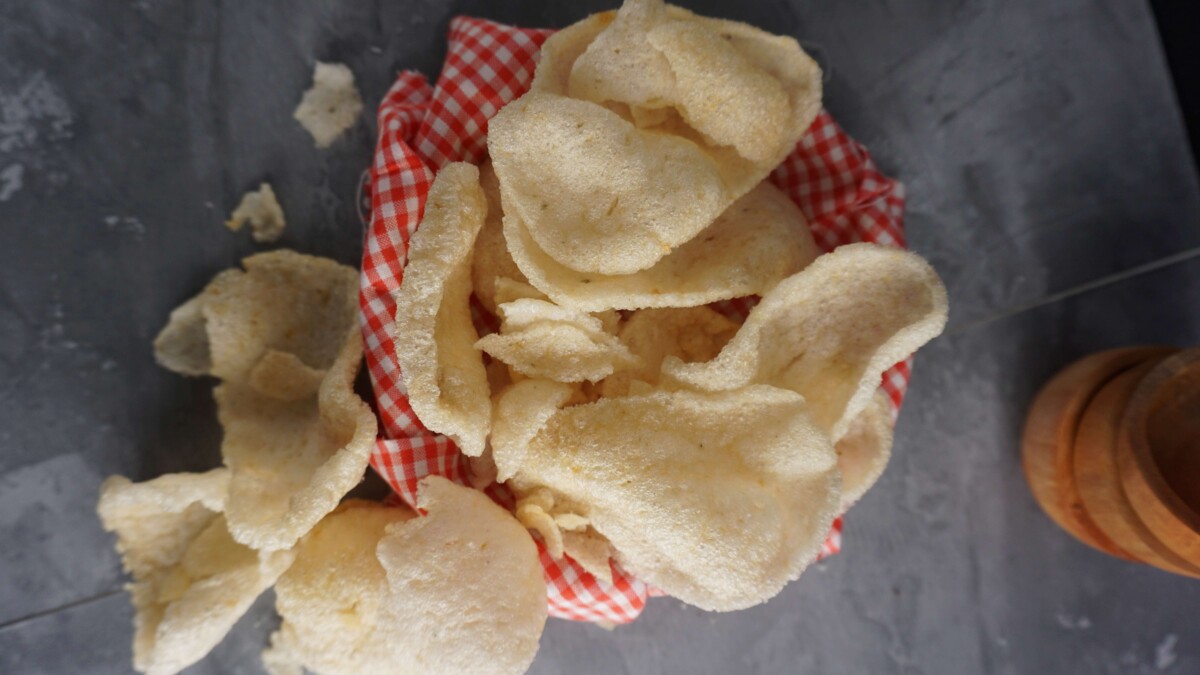
An Indonesian youth-led startup is empowering local fisherfolk by transforming undervalued rasau fish into Kerupuk Kasau, an innovative fish-based snack.
Southeast Asian fishing communities face economic challenges despite abundant marine and freshwater resources. Many fisherfolk struggle to maximize catch value because certain fish are difficult to process or lack wide market appeal.
Data shows that 95.8 percent of registered fisherfolk in the Davao Region earn below the low-income bracket. Meanwhile, WorldFish estimates that 35 percent of global fisheries and aquaculture harvest is lost or wasted annually.
Fisherman Challenges
In Siak Regency, Riau, Indonesia, rasau fish is very abundant in local waters. However, it often sells at low prices or gets discarded due to its numerous bones and strong muddy aroma.
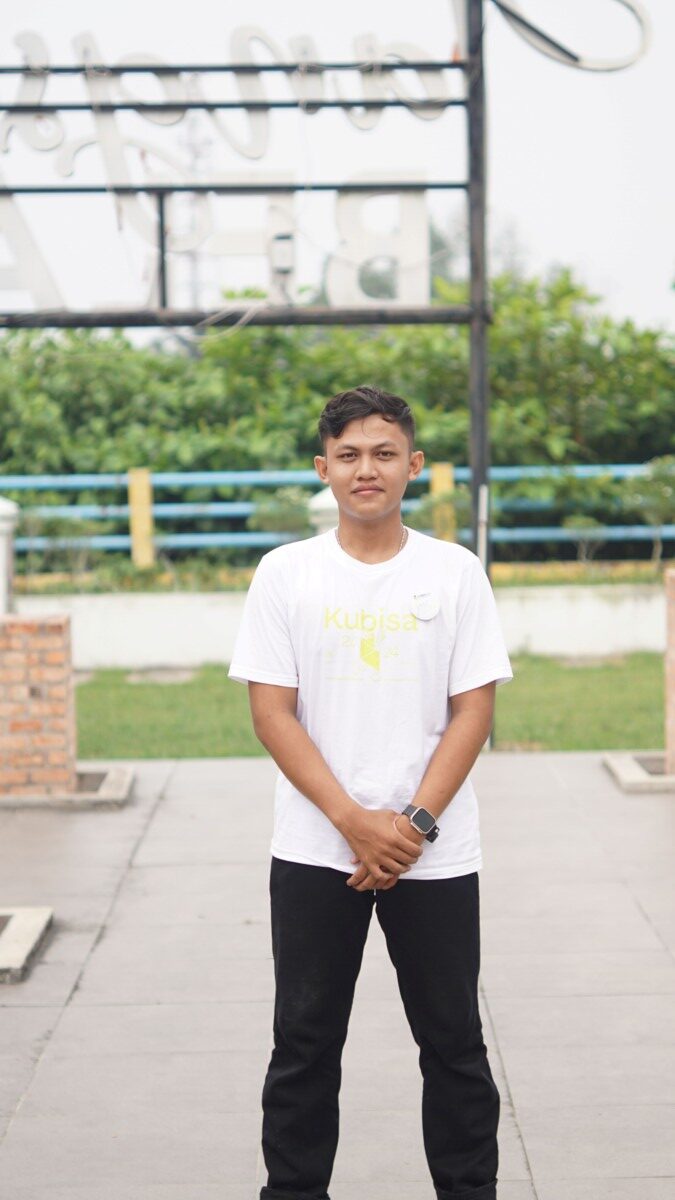
Afrizal Satria, a 23-year-old student at the University of Muhammadiyah Riau, witnessed these struggles near the Siak River. He decided to find a practical solution for local fishermen.
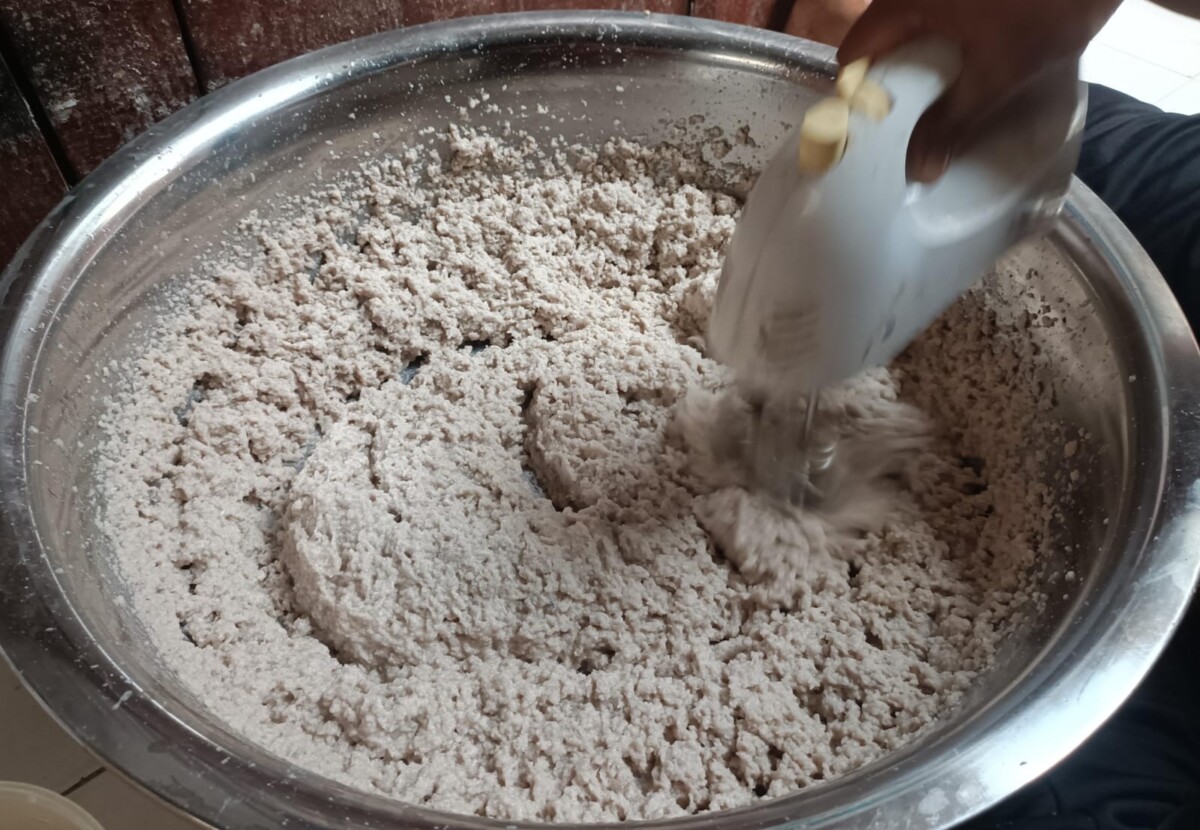
Afrizal spent nearly a year experimenting with different formulations based on family knowledge. He successfully developed kerupuk crackers that incorporate finely ground fish while neutralizing the fishy smell.
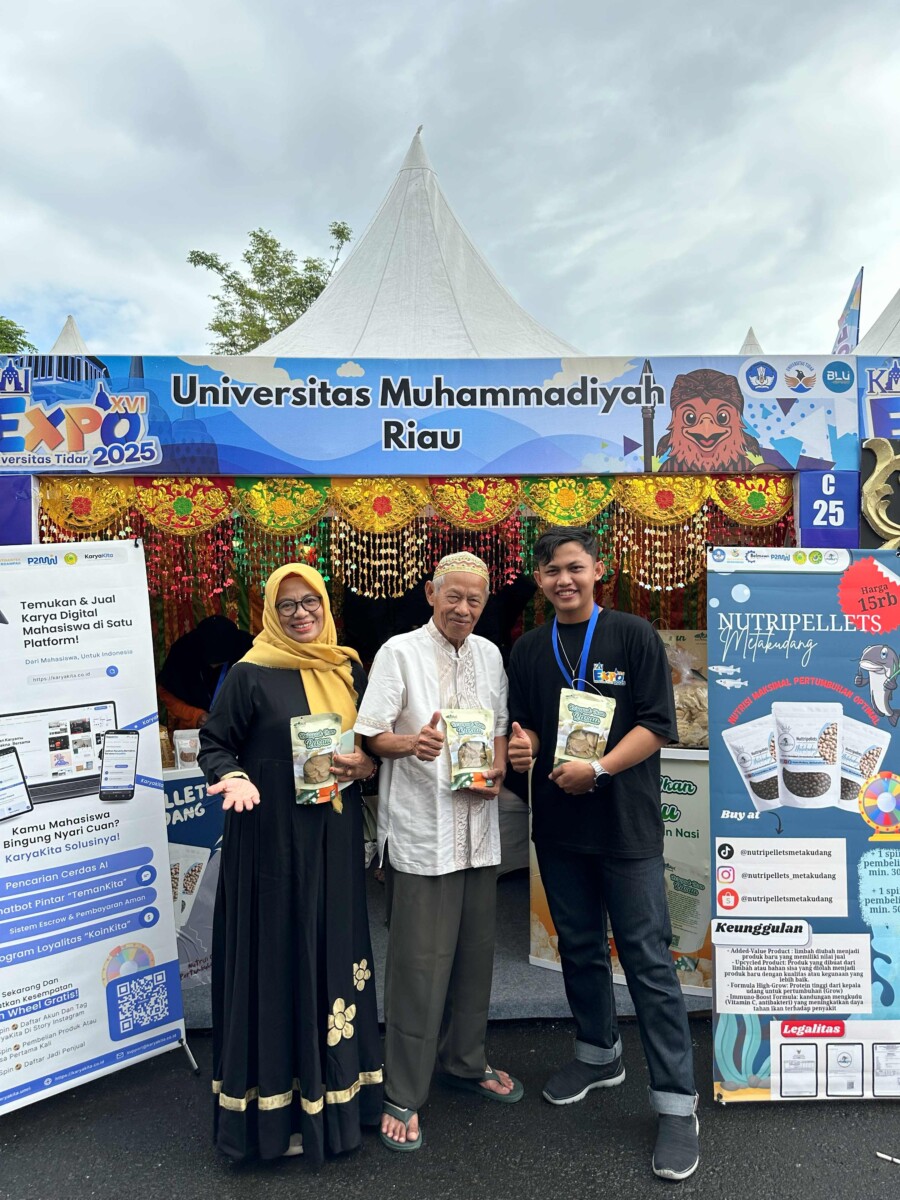
The final product turns the previously avoided rasau fish into a crunchy and flavorful local snack. Afrizal established direct partnerships with local fishermen to ensure sustainable raw material sourcing.
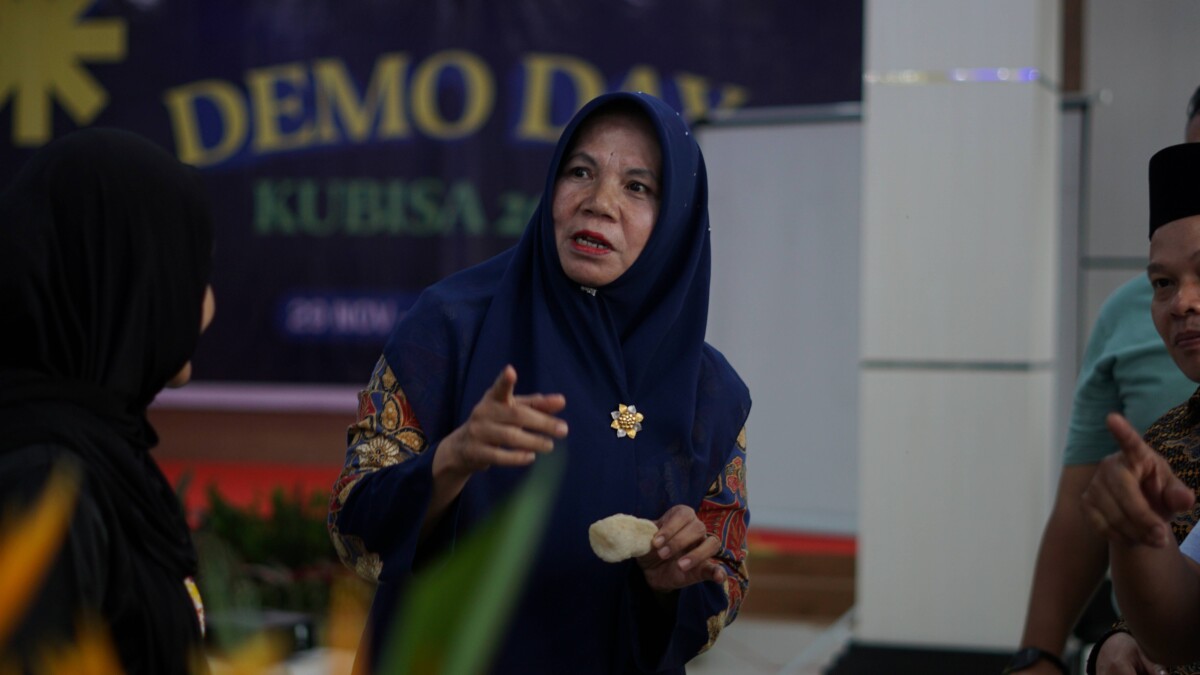
To protect the river ecosystem, Afrizal purchases only larger fish so fingerlings can continue to grow. He also sets fair and stable prices regardless of the seasonal catch.
Production Process
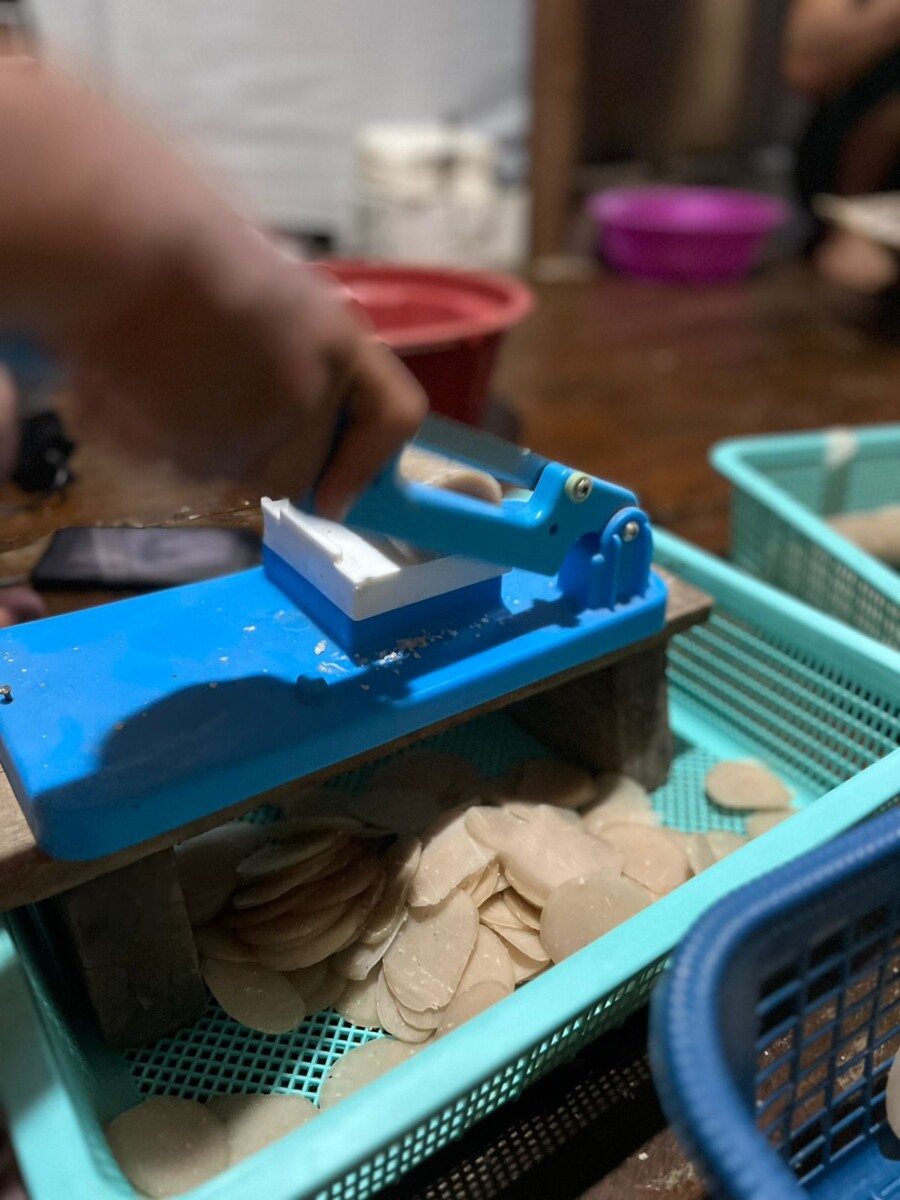
Producing Kerupuk Kasau is a labor-intensive process that starts with cleaning and grinding the fish. Workers mix the ground fish with flour and shape the dough into rolls.
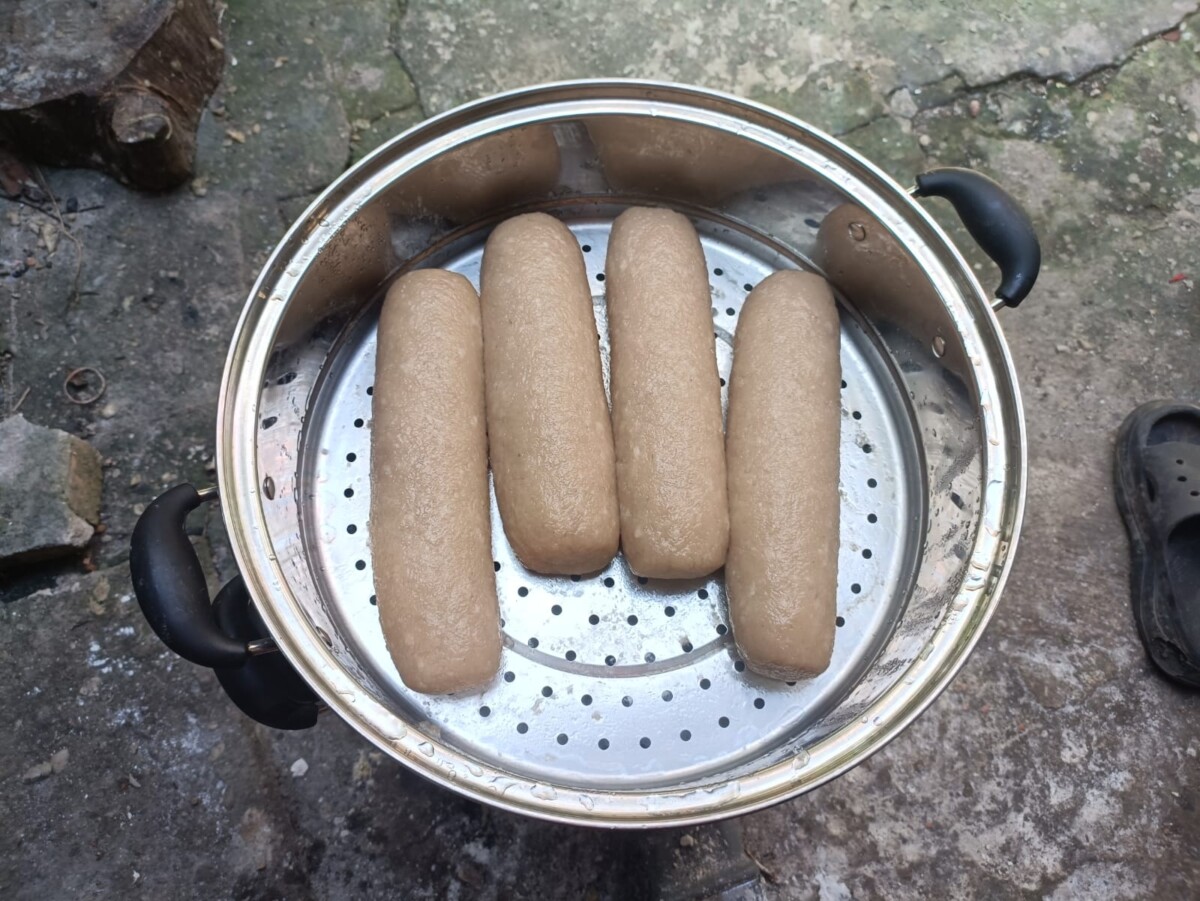
The shaped dough rolls undergo a two-hour steaming process before cooling down. Workers then slice the rolls manually by hand.
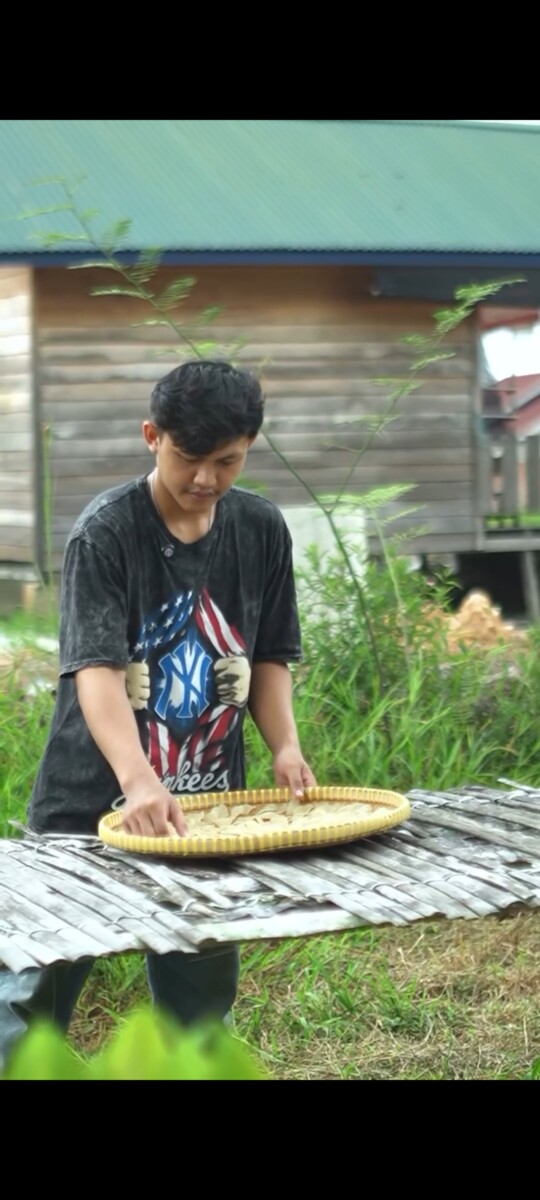
After slicing, the pieces undergo a sun-drying process to prepare them for the market. Production consistency sometimes faces challenges due to changing weather conditions during drying.
[[IMG9]]
Afrizal sought professional guidance through Skelas, a local creative hub and incubation program. Skelas provided vital mentorship in business governance, financial management, packaging, and production scaling.
[[IMG10]]
The business also maintains a strict zero-waste approach. Production byproducts are repurposed into plant fertilizer and animal feed to ensure nothing goes to waste.
[[IMG11]]
Cerli, the chairperson of Skelas, praised the initiative for maximizing natural resources responsibly. The venture currently employs two local residents along the Siak River.
Economic Impact
Before formal mentorship, sales hovered around 50 to 60 units per month with modest financial turnover. Production has now surged to between 600 and 700 units per month.
This increased output brings in a monthly turnover of 6 to 7 million IDR, which translates to roughly PHP21,000 to PHP24,000. Fishermen now enjoy a permanent buyer and reliable income certainty.
Afrizal plans to expand job opportunities for more residents along the river. He aims to scale up capacity and reach wider markets through online sales and national exhibitions.
For more details on these sustainable livelihood initiatives, please visit the official Skelas website at https://skelas.org/.