
Indigenous communities in the Arfak Mountains of West Papua, Indonesia, have successfully transformed high-altitude Arabica coffee farming into a sustainable economic model that preserves local ecosystems. This initiative draws parallels to the sustainable practices of Igorot farmers in the Philippines, highlighting a shared regional commitment to balancing coffee production with environmental conservation.
The Arfak coffee initiative has revitalized the region, turning coffee from an ornamental plant into a primary source of livelihood. Situated 1,800 to 2,000 meters above sea level, these high-altitude farms benefit from fertile soil and cool climates that eliminate the need for chemical fertilizers or synthetic pesticides.
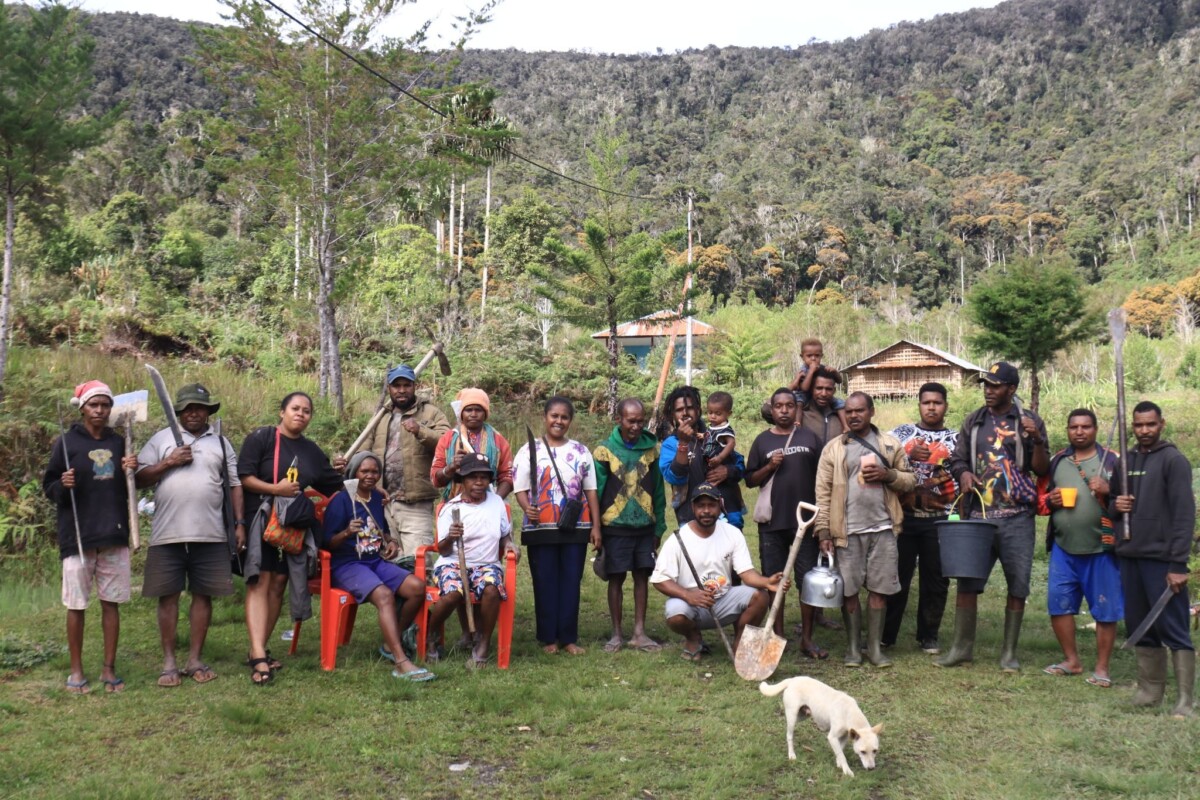
To ensure long-term viability, farmers utilize regenerative agricultural techniques such as intercropping and the avoidance of land burning to reinforce soil integrity. These efforts serve as a vital defense against landslides and the degradation of water catchment areas caused by upstream environmental pressures.
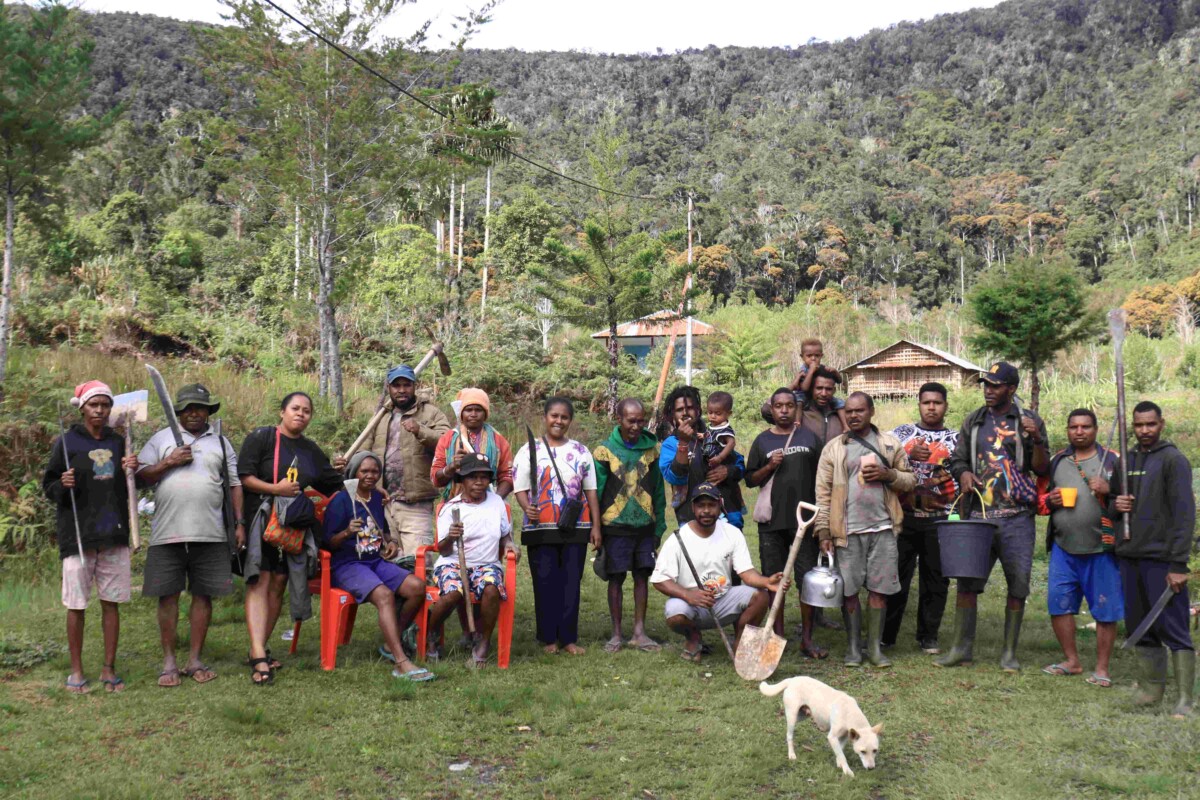
Technical support from the social organization BENTARA Papua has been instrumental, providing farmers with standardized post-harvest procedures including fruit sorting, flotation, and a 36-hour fermentation process. The integration of solar dryers maintains consistent moisture levels, ensuring the beans meet high-quality specialty standards.
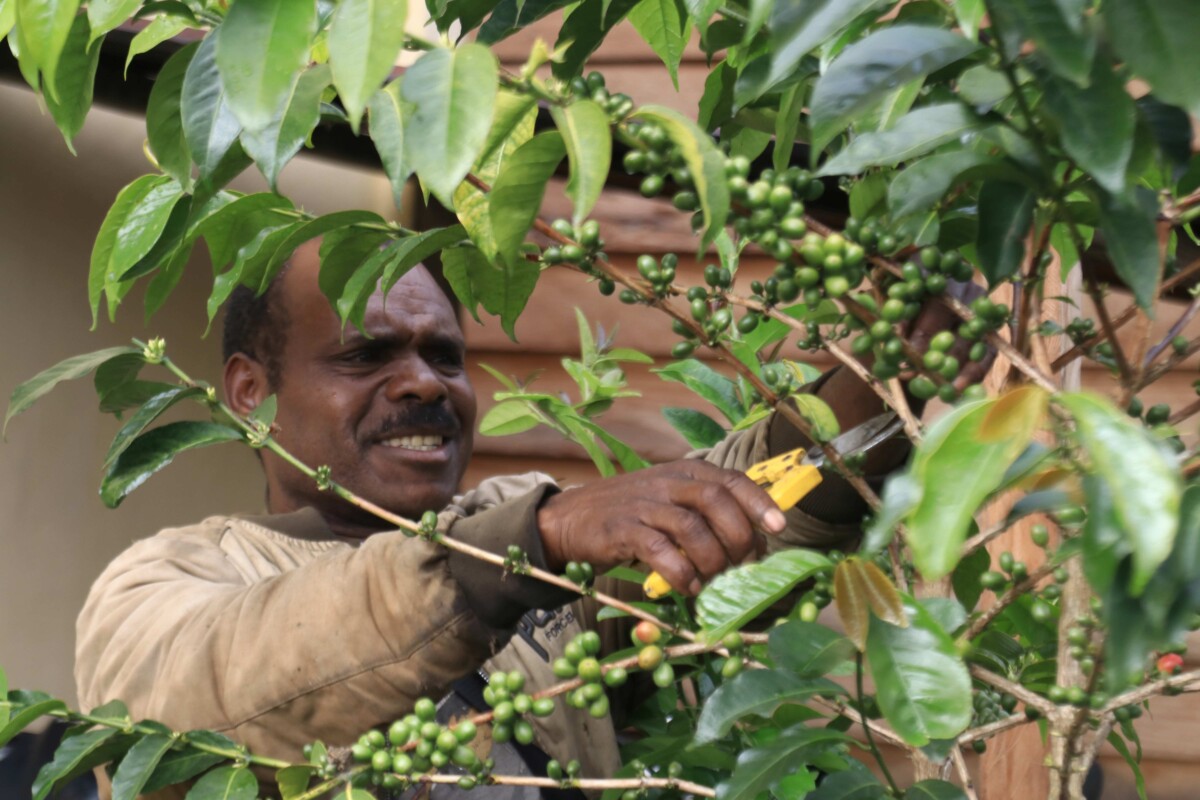
The economic impact of this program is significant, involving 37 farmer groups across seven districts who now sell their beans directly to bypass unnecessary intermediaries. By eliminating middlemen, farmers have seen a notable increase in profit, with green bean prices reaching up to P350 per kilogram.
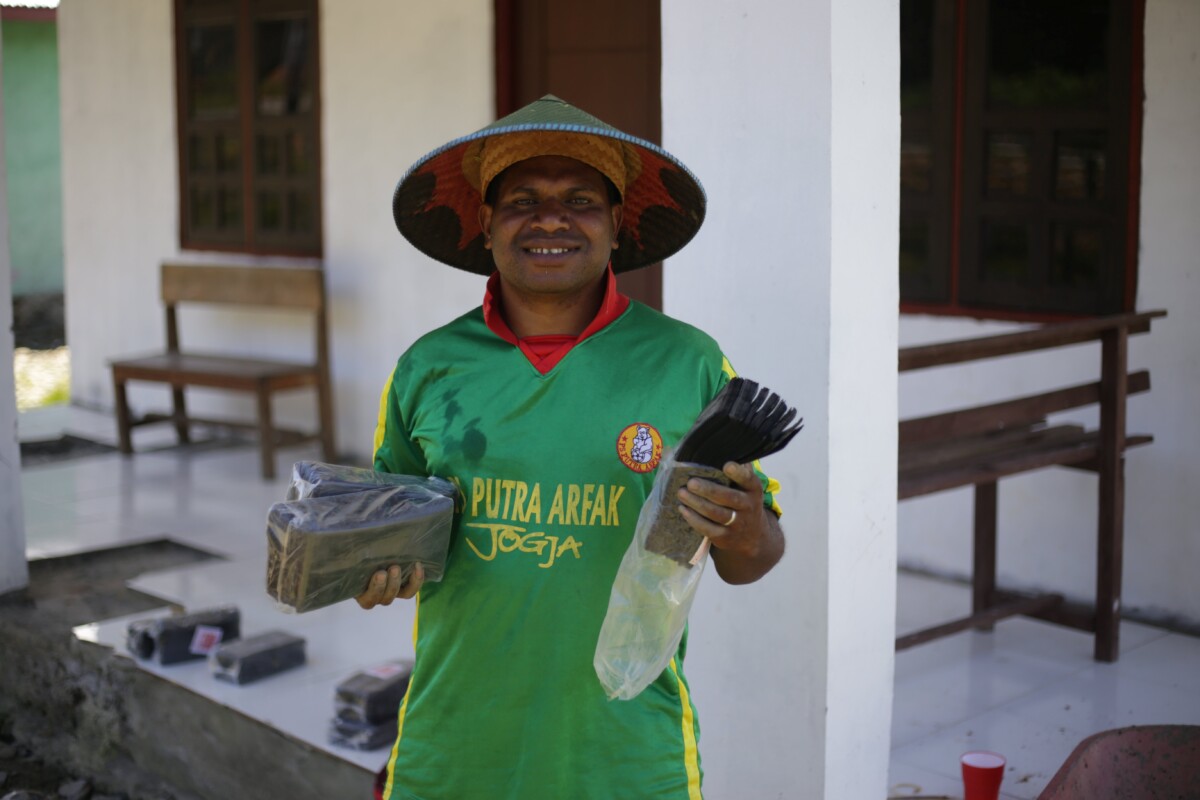
Current market demand for the Kopi Anggi brand has expanded beyond local Manokwari coffee shops to include international interest from markets in Poland, Germany, and the Netherlands. While production remains limited to maintain quality control, the initiative continues to focus on capacity building for local youth through the Merdesa Village School.
Those interested in learning more about the intersection of sustainable agriculture, the Merdesa Village School programs, or the specific initiatives managed by BENTARA Papua can visit their official organizational profiles or contact their regional development offices for further information on their environmental projects.