When we look at the headlines these days, it is easy to feel overwhelmed. From the relentless typhoons battering our provinces to the floods turning city streets into rivers, the climate crisis often feels like an unstoppable force. For many of us, nature has started to feel like a vulnerability rather than a treasure. But what if we shifted our perspective? What if the key to our future prosperity wasn’t just surviving the environment, but actively healing it?
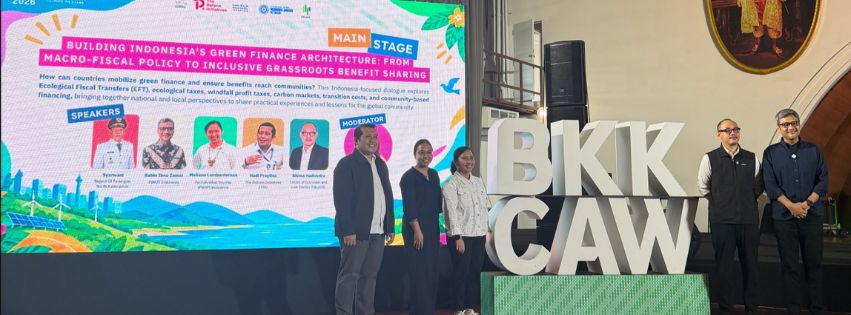
This is the vision recently shared at the Bangkok Climate Action Week by leaders and researchers from Indonesia. They have unveiled a refreshing concept: the restorative economy. Instead of viewing our natural resources as something to be extracted until they are gone, this approach treats nature as a partner. It is a way of building an economic system that actually replenishes the land, forests, and watersheds that sustain us.
The numbers are encouraging. New research suggests that by embracing these restorative practices, we can do more than just buffer against climate disasters. We can unlock massive economic potential. In Indonesia alone, experts estimate this shift could generate trillions of pesos in output over the next few decades while simultaneously closing the gap in income inequality. For a country like the Philippines, where the cost of climate adaptation is climbing toward hundreds of billions of dollars, this is not just an environmental suggestion. It is an urgent blueprint for survival.


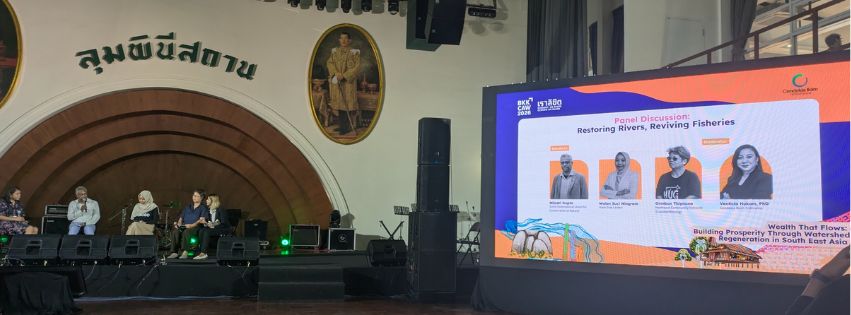
The beauty of this model lies in how it empowers local communities. Think of it as moving from short-term gain to long-term health. Whether through sustainable agroforestry that protects our vital watersheds or green finance initiatives that put capital directly into the hands of those on the frontlines, the goal is to make conservation a source of wealth rather than just a cost of doing business. When we invest in our land, we are essentially investing in our own security.
We have all seen the resilience of the Filipino spirit in the wake of storms. Now, we have an opportunity to channel that strength into a new kind of economy. It is time to move beyond the old, extractive ways of the past and look toward a future where our economic progress is tied directly to the health of our forests, rivers, and fields. By prioritizing the land that feeds and shields us, we can ensure that our children inherit not just a country that survives, but one that truly thrives.