In the hyper-competitive Philippine dining landscape, chasing food trends is often seen as the default playbook for survival. Yet, tucked away inside the bustling food districts of Manila, Tiong Bahru Singapore Flavours has carved out a massive, loyal following by doing the exact opposite: standing perfectly still, anchored entirely by heritage, tradition, and uncompromising consistency.
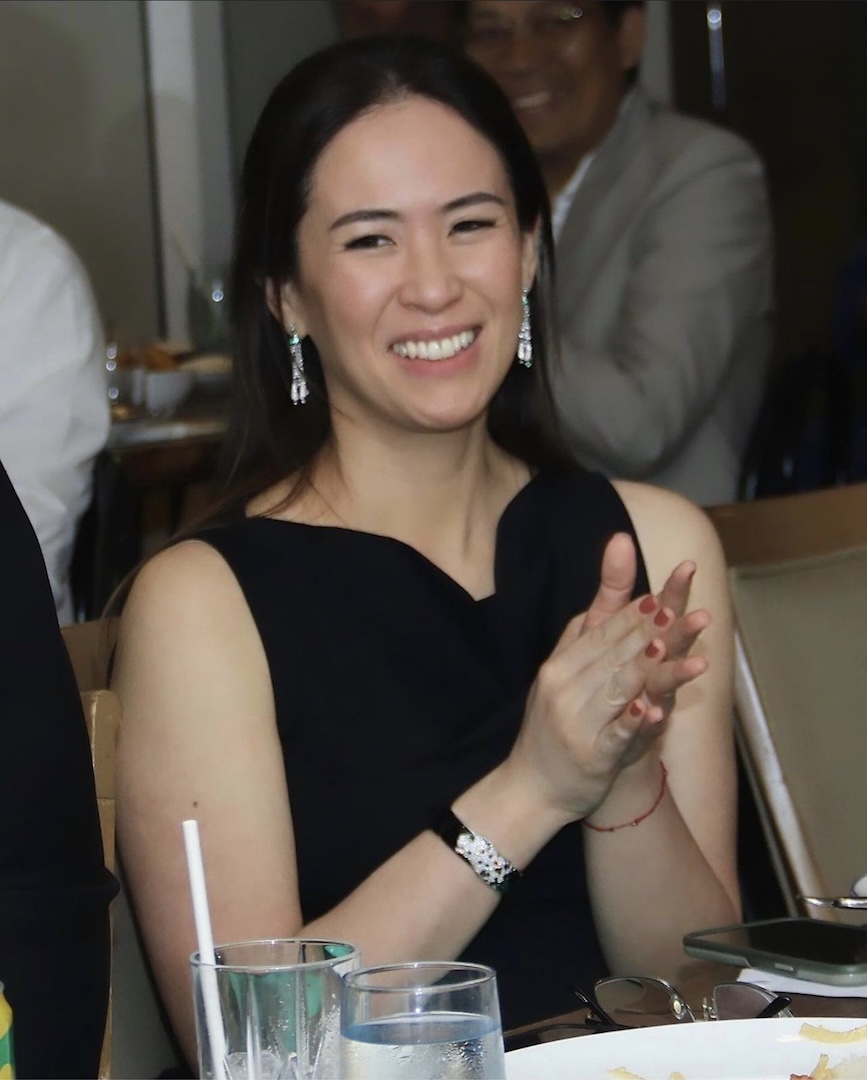
What started as a simple desire to introduce authentic Singaporean hawker heritage to Filipino palates has now scaled into a robust network of 16 branches nationwide. Behind this steady expansion is a dual-leadership engine: Andrew Koh, Chief Operating Officer and Director, and Kathryna Yu-Pimentel, Director. Together, they have treated the brand less like a commercial franchise and more like a cultural bridge, proving that the true metric of a restaurant’s success isn’t just its expansion, but the trust it earns with every single plate.
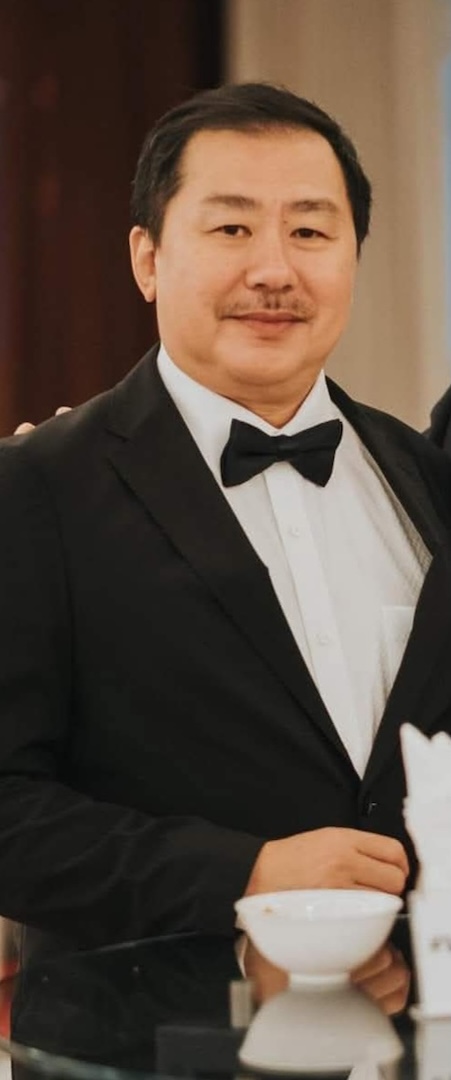
For Andrew Koh, who grew up immersed in the vibrant, multi-cultural food landscape of the Lion City, the mission was personal. When introducing staples like Hainanese Chicken, Laksa, and Bak Kut Teh to Filipino diners, the temptation to sweeten a broth or alter a spice blend to match local preferences is always present. However, Tiong Bahru deliberately chose a path of absolute fidelity to traditional Singaporean recipes, sourcing specific base ingredients and maintaining strict, unyielding standardized methods across all kitchens.
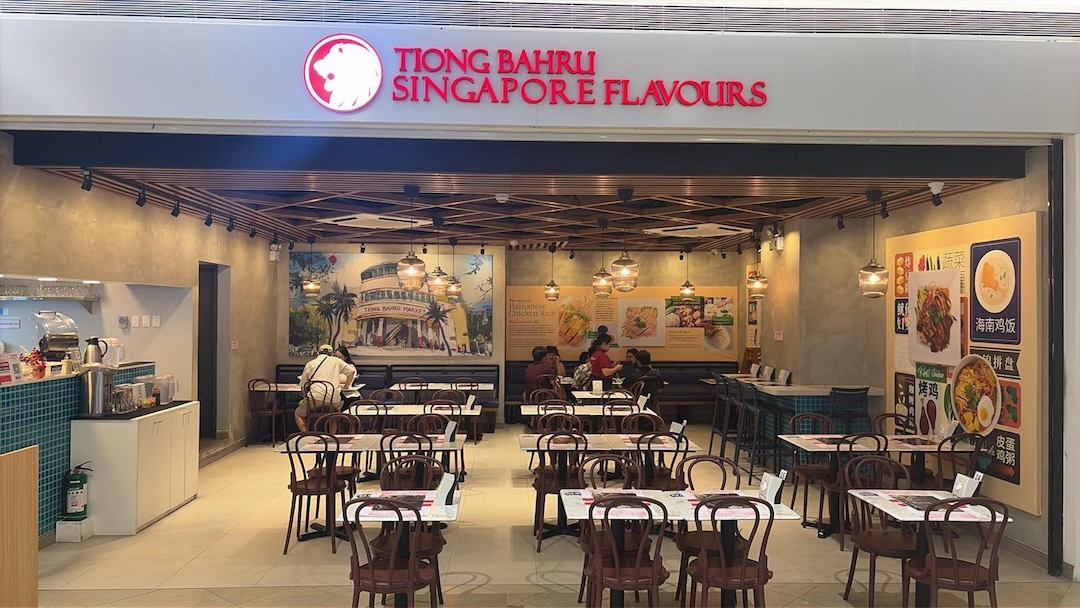
“Customers return because they trust us,” Koh emphasizes. “They know that when they order their favorite dish, whether in one branch or another, they will receive the exact same quality, taste, and experience.”
Kathryna Yu-Pimentel views this culinary consistency as a form of democratic luxury. “Our goal is to bring authentic Singaporean flavors to Filipinos through high-quality meals that are affordable and accessible to everyone,” she explains. “Food has a beautiful way of transporting you. One bowl of Bak Kut Teh or one bite of Hainanese Chicken can feel like a little trip to the Lion City, without a costly plane ticket.”
Behind the warm aroma of steaming broth lies a highly disciplined operational blueprint. Rather than managing the 16-branch network from a detached corporate boardroom, Koh remains deeply entrenched on the front lines—actively overseeing supply chain integrity, branch quality assurance, staff mentorship, and direct guest feedback.
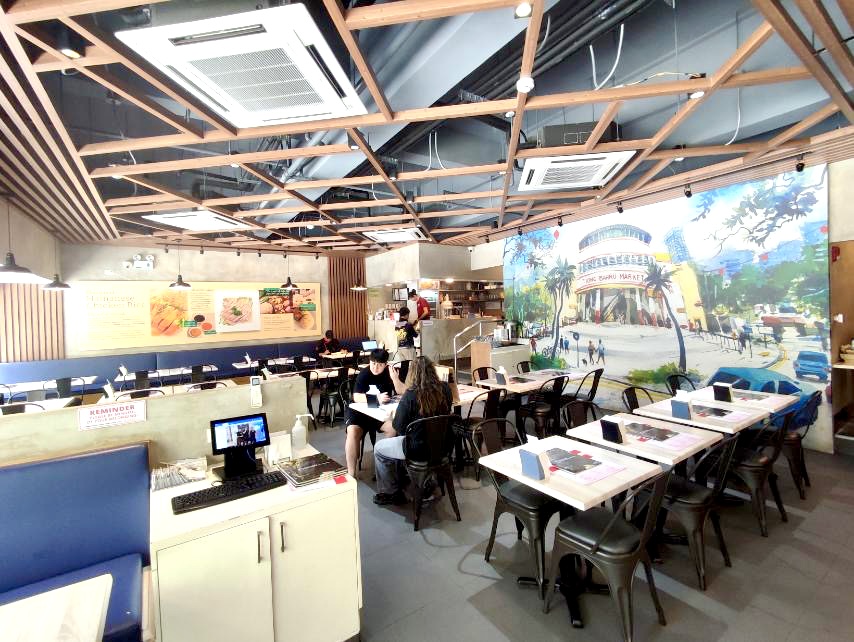
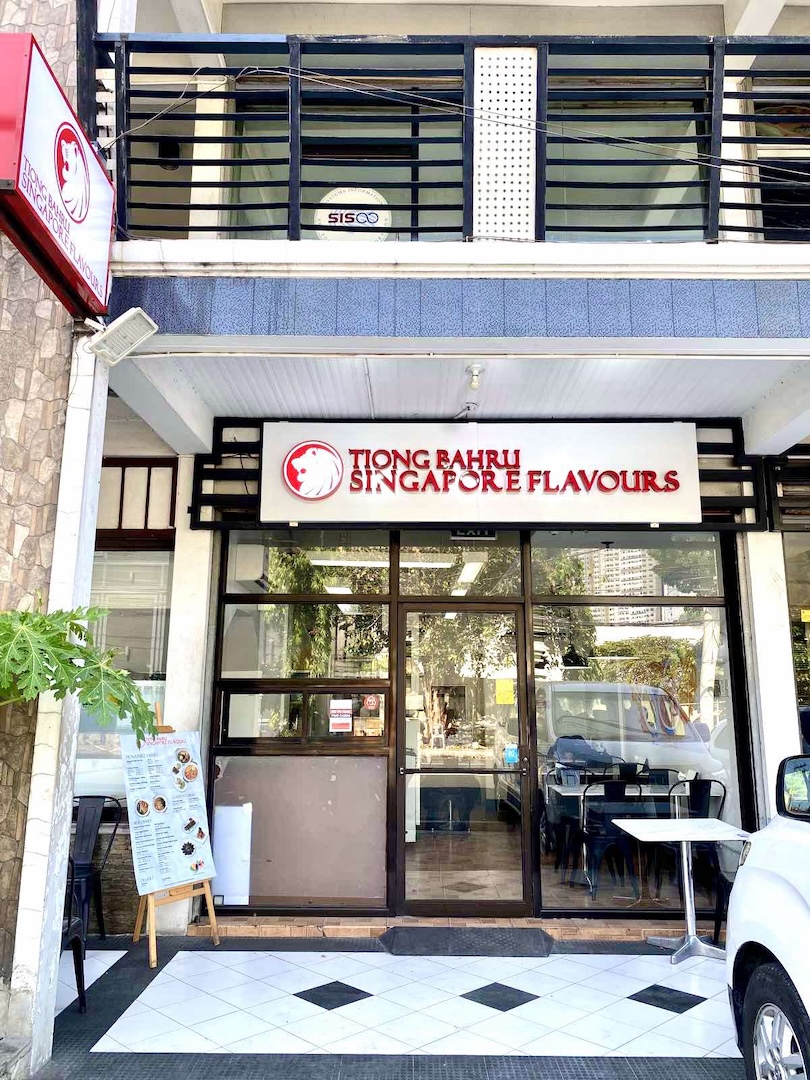
This hands-on methodology is foundational to the company’s culture. For Koh, visibility is the baseline for accountability: “When employees and partners see that you are fully committed to the business, it creates a culture of ownership throughout the entire organization. Restaurants do not grow because of recipes alone; they grow because of the people who make the daily commitment to protect the brand.”
The culinary identity of Tiong Bahru Singapore Flavours balances precision engineering with rich storytelling. While the brand continues to introduce new seasonal dishes, three pillars form the structural core that keeps diners returning:
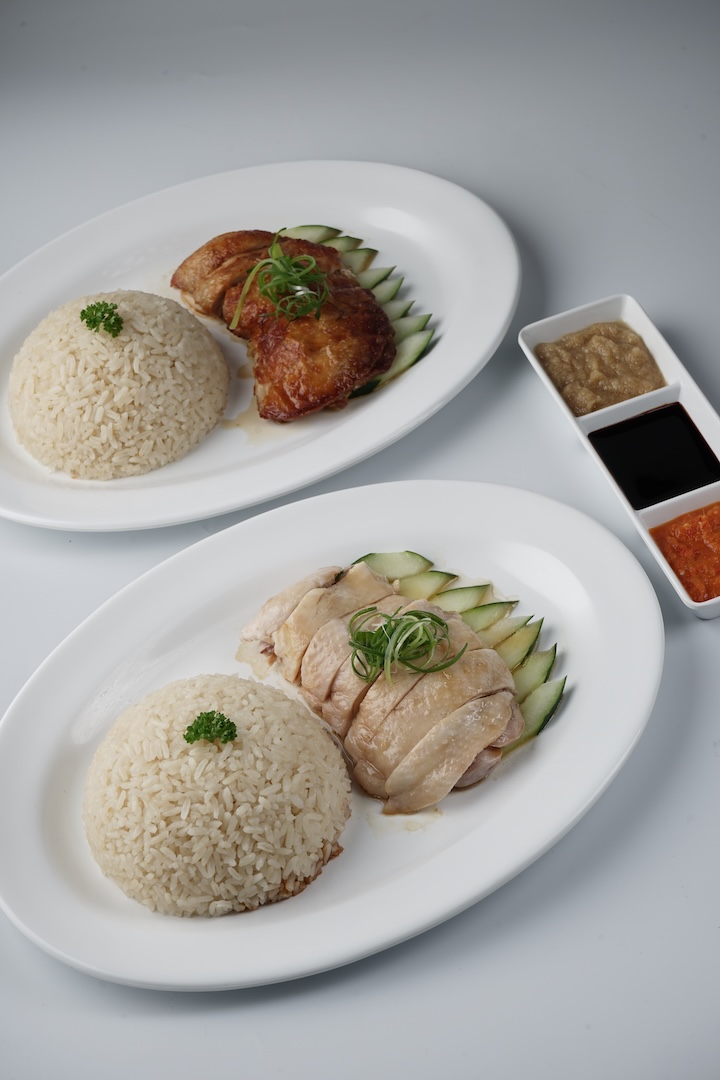
- Hainanese Chicken Rice: A masterclass in poaching technique where temperature control is critical to achieving silky skin and tender meat, paired with fragrant rice cooked in chicken fat, pandan, and ginger.
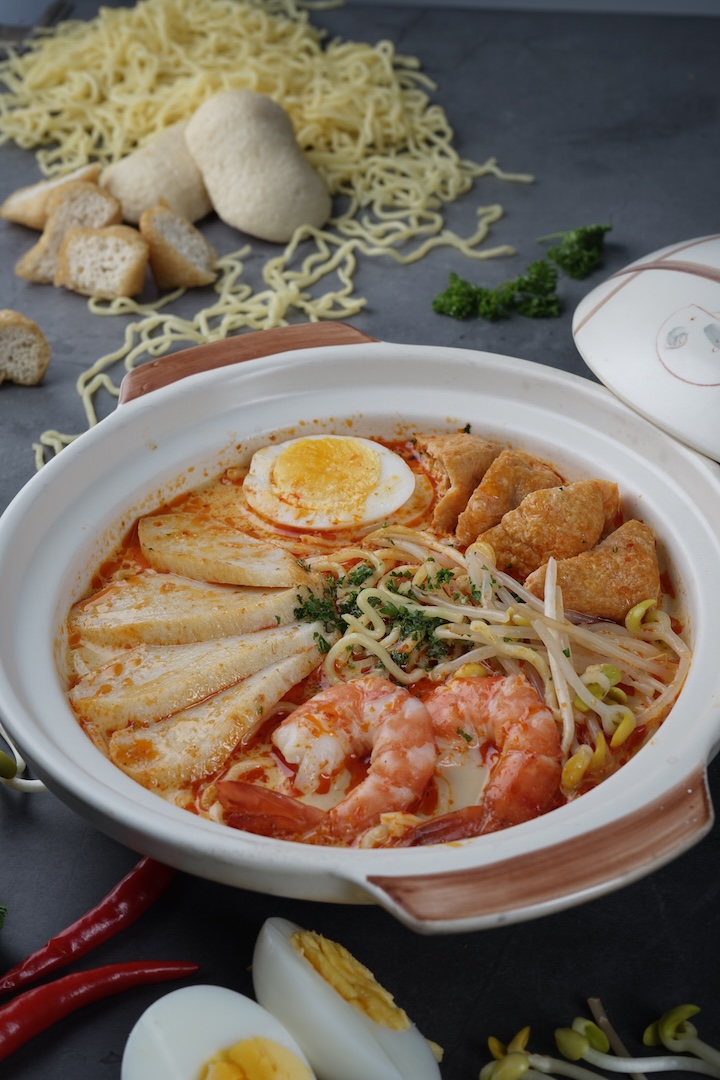
- Laksa: A complex, deeply aromatic coconut milk broth packed with rice noodles, prawns, and fish cakes, balancing a gentle, creeping heat with savory creaminess.
- Bak Kut Teh: A comforting, deeply peppery pork rib broth simmered for hours, designed to deliver immediate warmth and rich, medicinal depth.
For Yu-Pimentel, preserving these dishes means preserving the very atmosphere of Singapore’s hawker culture—the communal warmth, the shared tables, and the stories behind the recipes. “Technique gives it truth, and emotion gives it soul,” she notes. “Through every dish we serve, we help show that Singaporean identity is diverse, vibrant, comforting, and deeply rooted in heritage.”