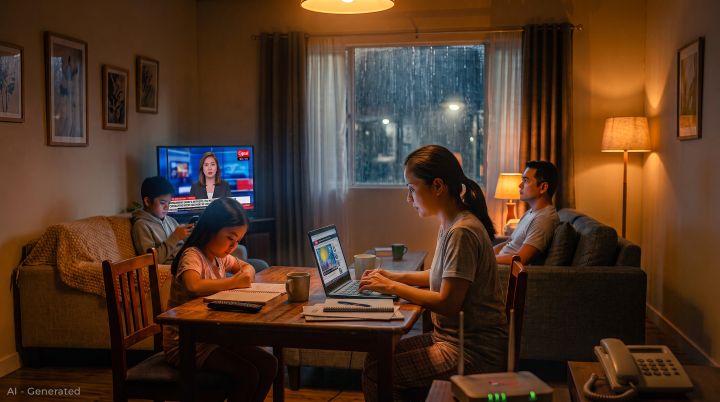
If you live in the Philippines, you already know the drill when typhoon season rolls in. It is just a part of our daily lives. On average, we get about twenty tropical cyclones a year. We are all used to preparing emergency kits, checking our roofs, and buying extra batteries.
But when a big storm actually hits and the power goes out, the first thing we usually worry about isn’t the food in the fridge or where we put the flashlights. It’s almost always about communication.
We immediately start asking: Can I reach my family? Is everyone safe? How do we call for help if we need it?
PLDT Home knows that during a storm, a working phone signal or internet connection isn’t just a luxury—it is a literal lifeline. That is why they are working all year round to make sure their network is ready before the rain even starts. By backing up their systems, preparing satellite internet, and keeping physical help booths ready to roll out, they want to make sure you can always make that critical call to your loved ones.
To do this right, PLDT Home isn’t just guessing where to help; they are using real weather data to focus on three key areas:
- Calamity-Affected Areas: These are places still recovering from the storms of 2025. PLDT Stores here are ready with customer support and free charging stations to keep your phones alive.
- Priority Connectivity Areas: These are neighborhoods freshly hit by a disaster. PLDT immediately sends on-the-ground support here to get services back up and running as fast as possible.
- At-Risk Areas: PLDT’s data identified twelve cities that consistently get hit by typhoons almost every year between August and December. They are putting extra backup systems in these cities ahead of time so they are ready before the first storm warning is even raised.
“In every storm we’ve responded to, the very first thing people ask for is a signal,” says Menardo “Butch” Jimenez, Jr., PLDT’s Chief Operating Officer. “They just want to call home and hear that everyone is okay. That is the connection we are doing our absolute best to protect.”
So, what happens when a storm actually cuts off the main lines? PLDT has a quick-response playbook ready. They instantly deploy backup routes to keep your home internet running, and they use satellite broadband to bypass broken ground cables.
They also set up physical PLDT At Your Service booths right in the middle of affected neighborhoods. These booths act like friendly neighborhood help desks where you can get free WiFi, make free emergency calls, and charge your phones. Once the worst of the storm passes, the teams at these booths will help you get your home internet back on track with free quick-installation deals.
At the end of the day, severe weather is always going to be a challenge. But with a bit of preparation and the right backup systems in place, PLDT Home is working to make sure that even when the weather gets bad, your connection to the people who matter most stays strong.