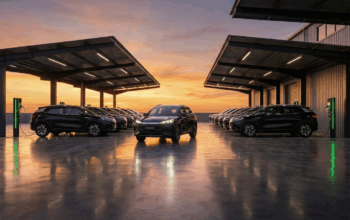
In a city where the only constant is traffic, the rise of electric taxis like Green GSM isn’t just a green initiative—it’s a survival strategy. For the veterans of Metro Manila’s roads, the transition to EVs is proving that the biggest benefits aren’t just environmental; they are deeply personal and financial.
The Math of the Modern Driver
The daily grind in Manila has always been a battle against fluctuating gas prices and high maintenance costs. Drivers like Benedick Ferreras and Carlo Monti Galano have found that switching to an EV flips the script. By removing fuel from the equation and lowering maintenance requirements, income becomes predictable. Instead of riding the waves of global oil prices, drivers are finding a steadier rhythm, allowing them to plan their lives beyond the next full tank.
Mental Health on the Gridlock
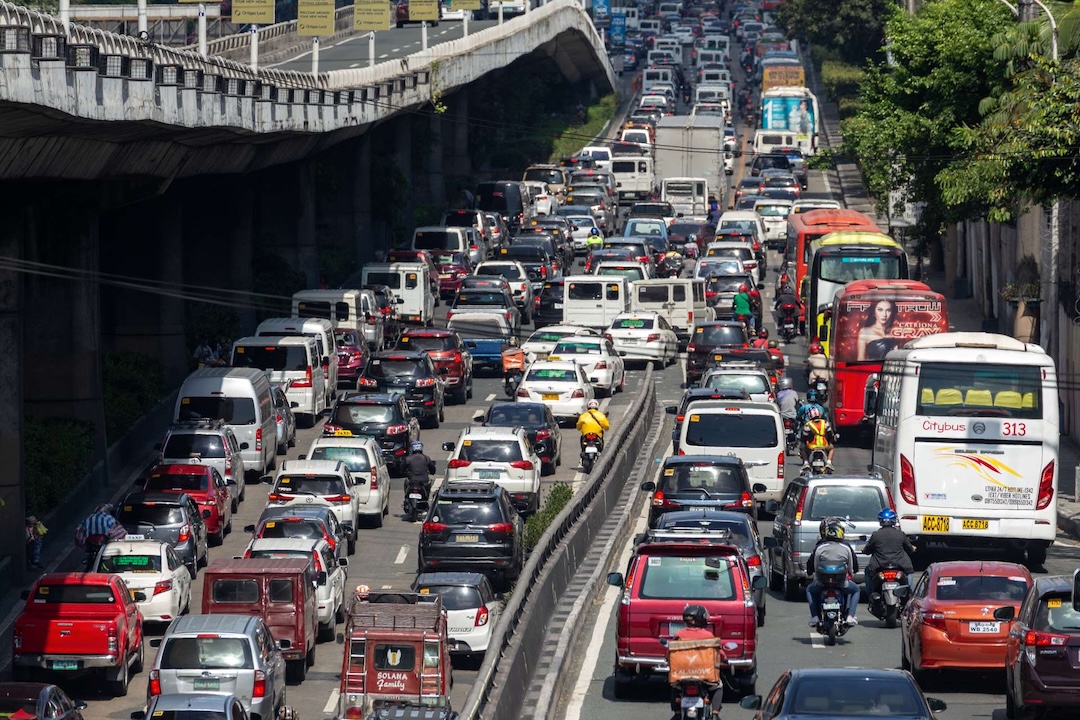
Manila’s traffic takes a toll that isn’t just measured in pesos. The physical and mental exhaustion of stop-and-go traffic is amplified by engine heat, vibration, and noise. Drivers new to the EV experience, like Raul Dela Cruz, highlight a “quiet” revolution: the absence of engine drone makes the workday significantly calmer. This “calm” extends to passengers as well. Commuters are starting to prefer the silent, smooth ride of an electric taxi, turning a stressful commute into a rare moment of peace.

Reliability Through Repetition
While EVs won’t fix Manila’s congestion overnight, they are building a new layer of trust. Between the built-in safety features and the professional, quiet environment, passengers are finding a sense of certainty that is often rare on the road. It’s a quiet progress—one that focuses on making the daily commute less of a chore and more of a managed, reliable routine.